Pool Leak Detection in Franklin Township, NJ
Comprehensive pressure and dye testing for residential swimming pool leaks.
Call (201) 510-1615Stop Losing Pool Water
It is normal for swimming pools to lose a small amount of water to evaporation, especially during the hot New Jersey summer. However, if you are adding water more than once a week or notice the level dropping rapidly, you need professional pool leak detection Franklin Township NJ. A leaking pool not only increases your water bill but also throws off chemical balances and can undermine the pool deck or yard.
The first step for any homeowner should be the simple "bucket test" to confirm the loss is actually a leak and not just evaporation. Once a leak is confirmed, finding it requires specialized equipment, as the issue could be a structural crack in the shell, a tear in the vinyl liner, or an underground pool plumbing leak Franklin Township NJ.
Pressure and Dye Testing
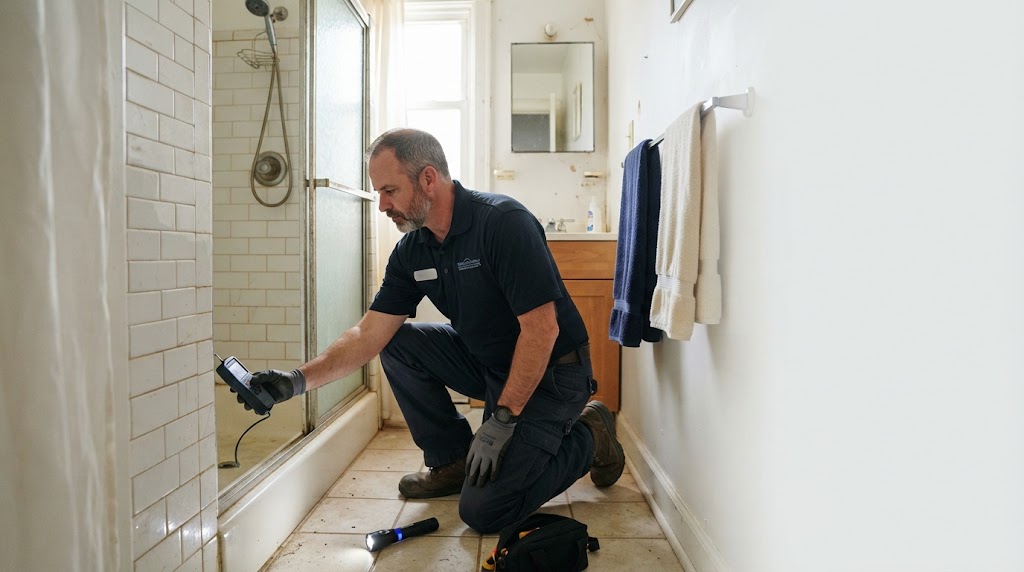
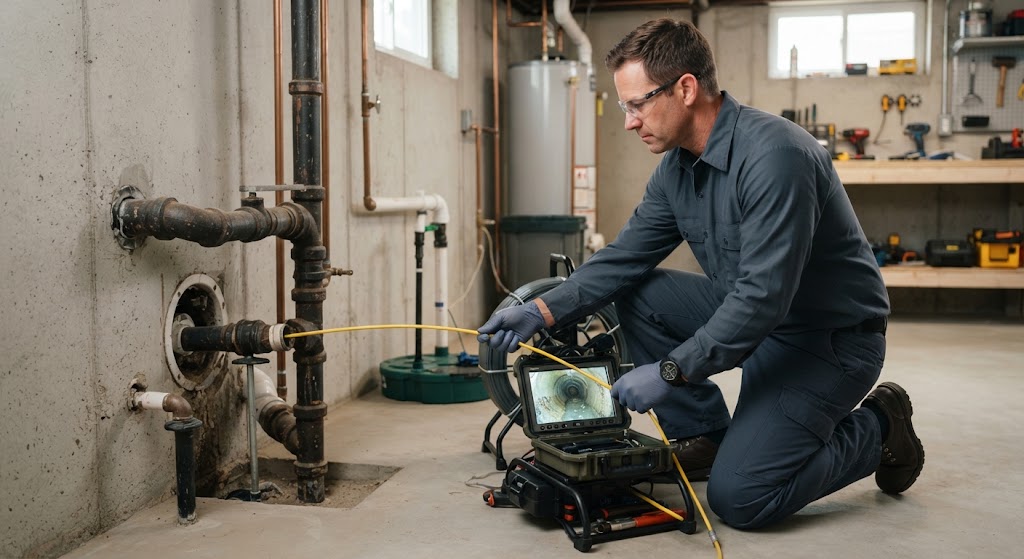
Our swimming pool leak repair Franklin Township investigation systematically isolates different parts of the system. We pressure test the return lines, suction lines, and main drains to determine if the underground PVC plumbing has failed. If the plumbing holds pressure, we perform precise dye testing around the skimmer, return jets, pool light niches, and steps to identify structural compromises where water is being drawn out.
Protecting Your Backyard Investment
An inground pool leak Franklin Township problem must be addressed promptly. Left unchecked, water escaping under the pool deck can cause soil washouts, leading to cracked concrete and expensive hardscaping repairs.
By pinpointing the exact location of the failure—whether it's an underground pipe break or a failed skimmer seal—we ensure that any necessary repair work is highly targeted, saving your backyard from becoming a major excavation site.
Is Your Pool Losing Water Fast?
Don't just keep refilling it. Let us find the leak.
Call (201) 510-1615Frequently Asked Questions
How do I do the bucket test to check for a pool leak?
Place a bucket filled with pool water on the second step of the pool. Mark the water level inside the bucket and the water level on the outside of the bucket. Wait 24 hours (with the pump off). If the pool water level outside drops significantly more than the level inside the bucket, you have a leak.
Where do most pools usually leak?
The most common areas for pool leaks are the skimmer throat (where the plastic skimmer meets the concrete or liner), the underwater light niche, and underground return or suction plumbing lines.
Can you find a leak in underground pool pipes?
Yes. We use pressurized air and acoustic listening equipment, similar to our water line detection process, to listen through the concrete deck or soil and locate the precise point where the underground PVC pipe has failed.